• Skip to primary navigation
  • Skip to main content
  • Skip to primary sidebar

Family MattersPractical Parenting Blog

  • Home
  • Series
  • About Ronit Baras
  • Books by Ronit Baras
    • Motivating Kids
    • Be Special, Be Yourself for Teenagers
    • Reflections
    • In the Outback with Jasmine Banks
    • The Will
    • * Your Cart
    • * Secure Checkout
  • Contact
    • Join Us

Home » abuse » Page 2

Parenting is Teaching, not Preaching

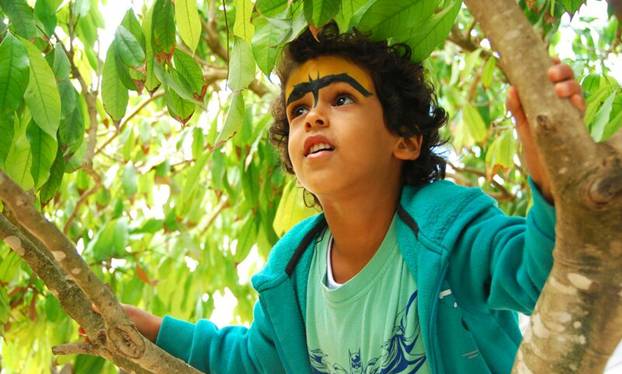
Boy in tree with Batman symbol on his forehead

Last week, I ran a parenting workshop and parents’ biggest frustration was “My kids don’t listen to me”. Everyone in the workshop shared this frustration whether their children were toddlers or teens. It took me some time to change the focus of the workshop from complaining about it, which is suitable for psychology or “recovery”, to thinking about what we can do about it and how to move forward, which is more suitable for coaching or “discovery”.

Going through life is like sailing a ship and being its captain (see Sailing the Ship of Life for more). When we complain, it is like dropping an anchor, and when we consider what to do about the situation, it is like raising an anchor and moving forward. Progress may be slow at first, but it is better to move than to be stuck.

Parenting is just the same.

Read Parenting is Teaching, not Preaching »

Published: March 17, 2016 by Ronit Baras
Last modified: March 23, 2021In: Parenting Tags: change, listening, acceptance / judgment / tolerance, communication, behavior / discipline, abuse, education / learning, emotional intelligence, expectation, how to, emotional development, role model, practical parenting / parents, trust, beliefs, generation gap

How to Destroy Good Character Traits in Children: G-Z

Girl with thumbs up, boy with thumbs down

In the previous chapter of the helping kids build character series, I explained about the beliefs we try to instill in our kids. We need to focus on encouraging the good character traits we want our children to have. We should not try to prevent the characters we don’t want them to have.

If good character traits are like plants, the fear that your child will develop a bad character is like watering the plant with weed killer. The character will never grow. For good character to grow and flourish, we need to water it and give it nutritious and healthy fertilizer.

In the last chapter, we listed the A to F of good character traits that we want our kids to have. We talked about some of the major weed killers that prevent these good character traits from growing. This chapter covers the good character traits from G to Z.

Read How to Destroy Good Character Traits in Children: G-Z »

Published: June 30, 2015 by Ronit Baras
Last modified: September 21, 2020In: Kids / Children, Parenting Tags: mind, practical parenting / parents, communication, change, abuse, parent coaching, skills, aggressive, sarcasm, how to, positive, fear, kids / children, choice, personal development / personal growth / personality development / self improvement, trust, feeling, beliefs, list, control, frustration

If-then Parenting Style

Here's to the things left unsaid and the thoughts unexpressed

Ashley was a very successful woman. She was brilliant and smart. She had been in a very solid and stable relationship with her husband of 12 years before they decided to have their daughter Mira.

When Mira was born, Ashley was 39, with a booming and successful business that took her away from home 2-3 days a week. Her husband Daryl decided he would take over the responsibilities of caring for Mira. He changed jobs and started working from home. Ashley continued to travel 2-3 days a week.

This seemed like a good arrangement in the beginning but the gap between Ashley and Daryl increased and they often had arguments about the best parenting style for Mira.

I met them both when Mira was 1 year old. At first, I thought they wanted to do the parenting program with me. After a while, I realized each of them was trying to convince me that their parenting style was the better one and that I should tell their partner this.

Read If-then Parenting Style »

Published: April 16, 2015 by Ronit Baras
Last modified: February 28, 2022In: Life Coaching, Parenting Tags: happiness, Life Coaching, kids / children, behavior / discipline, communication, practical parenting / parents, abuse, how to, beliefs, control, change

Attachment Theory: Attachment Styles in Relationships and Marriages

Happy family and dog on a beach

So far, we’ve covered how attachment styles affect babies and individuals, but what about attachment styles in relationships and marriages?

Have you ever heard the theory that we pick partners who are similar to our parents? I have wondered about this over the years. My life partner, Gal is similar to my dad in some ways and totally different in many other ways. He is also similar to my mom in some ways and totally different to her in many other ways. I find it hard to either confirm or deny the theory.

While it is hard to decide if this theory works based on personal attributes, attachment theory claims that in some strange way we relate and attach to our partners and in a way that matches the attachment style that was created between us and our caregivers in those first years of our lives.

Read Attachment Theory: Attachment Styles in Relationships and Marriages »

Published: March 19, 2015 by Ronit Baras
Last modified: September 5, 2024In: Personal Development, Relationships / Marriage Tags: how to, aggressive, trust, kids / children, research, teens / teenagers, divorce, baby / babies, control, personal development / personal growth / personality development / self improvement, separation, empathy, change, emotions, early childhood, relationships / marriage, feeling, love, neurolinguistic programmiing / NLP, practical parenting / parents, abuse, conflict, emotional intelligence, anger

Attachment Theory: Secure and Insecure Attachment in Teenagers

Teenage boy

Babies’ relationships with their parents in the first years of life has a significant impact on their future relationship. As babies, the attachment they have to their parents will become a blue print of their attitude towards themselves and others. During that period, they create a “navigating map” and use it until they become teenagers. In teen years, which are considered to be between 11 to 25, teens renew this map and the relationship between them and their parents becomes even more important for their future relationship.

For parents, this is the perfect opportunity to fix any problems in the relationship. For example, amending insecure attachment or making an already slightly secure attachment more secure. This is our second and the last one.

Like in early childhood, a secure attachment in teenagers is characterized by the ability to seek comfort from a meaningful figure when they are going through difficulties. It is also measured by how fast and how easily they are comforted and able to get them back on track, enjoying life and being available to absorb new experiences.

Read Attachment Theory: Secure and Insecure Attachment in Teenagers »

Published: March 12, 2015 by Ronit Baras
Last modified: April 1, 2020In: Parenting, Teens / Teenagers, Emotional Intelligence Tags: security, emotions, beliefs, feeling, early childhood, separation, practical parenting / parents, love, rules, abuse, relationships / marriage, success, aggressive, emotional intelligence, positive, attitude, siblings, kids / children, how to, parenting teens, fear, personal development / personal growth / personality development / self improvement

Attachment Theory: Insecure Attachment Style

Baby being lifted into the air

What Causes Insecure Attachment Between Parents and Babies?

The attachment between babies and their parents in those first few years of life becomes the blue print for the child’s future relationships. Insecure attachment style happens when parents cannot give their child the feeling of security that he or she needs. Usually, this happens completely unintentionally.

There are several causes for insecure attachment. Here is a list of reason. Each of them on their own, or in combination can interfere with a healthy bond and secure attachment.

Separation from the primary caregiver – One of the main reasons for this separation is if the baby is sick. Premature or sick babies often stay intensive care, where their main caregiver cannot care for them. This can result in challenges in developing secure attachment. In other cases, sickness in the mother will prevent her from attending to her baby and can result in separation and insecure attachment. Other reasons may include divorce, death of the main caregiver or being given up for adoption.

Inconsistency by the primary caregiver – Having a consistent caregivers is essential to developing healthy and secure attachment. If a child changes caregivers often, either at home (e.g. nannies) or in day care, this may results in feeling insecure. This is one of the biggest reasons why we should aim for consistency in a child’s first year of development.

Read Attachment Theory: Insecure Attachment Style »

Published: February 26, 2015 by Ronit Baras
Last modified: December 25, 2019In: Babies / Maternity, Emotional Intelligence, Parenting Tags: success, society, emotional intelligence, depression, pregnancy, needs, fear, kids / children, security, baby / babies, research, education / learning, separation, feeling, mother, practical parenting / parents, abuse, mom, skills, relationships / marriage

The Want Muscle

Sometimes being yourself is scary until you stop and remember everybody in the whole wide world is scared about the exact same thing

Magda came to see me after 16 years of heartache and pain. She was referred by a client of mine. She had seen psychologists and psychiatrists before, but felt very criticized and had never gone for a second session with any of them.

When I finally got to meet her, I was a bit surprised. She was in her early fifties and looked amazing – almost like a doll. She was tiny and very well presented with beautiful skin.

Yet, during the first 10 minutes of introductions, she managed to say only bad things about herself. The gist of them was that she was not good enough, unworthy and helpless. She said 27 bad things about herself in those 10 minutes. I counted!

This made me very curious about her because at that point we had just met and I knew nothing about her.

Coaching is very much like solving a puzzle. I tried to gather information that would allow me to help Magda in a way that the other therapist could not. As it turns out, Magda was an only child, born to very old parents. Her dad died when she was very young and her mom never had another man in her life.

Read The Want Muscle »

Published: February 17, 2015 by Ronit Baras
Last modified: December 25, 2019In: Personal Development, Life Coaching Tags: acceptance / judgment / tolerance, divorce, self confidence / self esteem / self worth, empowerment, personal development / personal growth / personality development / self improvement, control, freedom, happiness, expectation, Life Coaching, frustration, relationships / marriage, guilt, neurolinguistic programmiing / NLP, emotional development, bullying, abuse, needs, fear, choice

Abusive Parenting Cycle

Cow in a meadow

Recently, I wrote a post about parents who justify their bad parenting style by claiming they are better than their own parents. Parenting like this creates a cycle: bad parenting, leads to difficult children, who become bad parents, who raise difficult children, etc. Over the last 28 years, I have dedicated my work to breaking this cycle. To helping kids through helping their parents.

Last week, this topic came up again when I met a 16-year-old girl who came for teen coaching. I sat in front of her for almost 2 hours and was shocked at how mature and aware she was. She was sitting in the same balcony in which I have seen many grownups who did not understand half of the things she did. Last year, I started writing a fictional story about a girl with parent problems and anorexia. In front of me was this most beautiful, good looking girl with a similar story. It amazed me to discover that the story is so much worse when you see it in real life.

She was a 16 year old, living with abusive parents, who believed they were better than their own parents, because unlike them, they did not use physical violence. It surprised me that they sent her for life coaching though. It seemed very contradictory to what a controlling and abusive parent would do. Never-the-less, I asked about her grandparents to get a better picture. Things became crystal clear: they had been abusive parents, who raised abusive kids, who become abusive parents. This cycle would go on and on unless this troubled, 16 year old teen could stop the cycle with her awareness (if she survived the emotional abuse).

Read Abusive Parenting Cycle »

Published: February 3, 2015 by Ronit Baras
Last modified: February 29, 2020In: Personal Development, Parenting Tags: violence, feeling, dad, practical parenting / parents, Life Coaching, neurolinguistic programmiing / NLP, anorexia, story, bullying, attitude, abuse, grandparents, emotional intelligence, kids / children, control

Justifying our Parenting Style

Smiling mother and child

Finding your own parenting style is not easy. Most of us adopt our parents’ parenting style, without regard really thinking about it. We don’t choose our parenting style, but let the style choose us.

We also like to think that we are better at parenting than our own parents. We often don’t notice how we use the exact same parenting styles we hated in them. To our credit, we sometimes manage to make small changes and this makes us think that we are better than them. We can do something they couldn’t. We think that the harder it was to make the changes, the better we are. This is not always true. In fact, the damage from our choices can be as bad for our own children as it was for us (or even worse).

This is a very hard concept for parents to understand. Kids see things completely differently. If your dad beat you with a belt or hot iron and you only use your hands to beat your own children, it is not very effective to tell your kids that you had it worse and that you are better than your own dad. When you hurt your kids, they can’t really be all “Pollyanna” about it (Pollyanna was a girl who always found the positive side of everything).

Read Justifying our Parenting Style »

Published: January 29, 2015 by Ronit Baras
Last modified: December 25, 2019In: Personal Development, Parenting Tags: control, personal development / personal growth / personality development / self improvement, violence, freedom, inner peace, feeling, focus, mind, evaluation, abuse, change, emotional development, how to, Life Coaching, practical parenting / parents, fear, relationships / marriage, choice, positive, truth, questions, safety, kids / children, beliefs, self confidence / self esteem / self worth

Shaming Kids: Good Parenting or Not?

Shaming kids - girl covering her face from pointed fingers all around

From time to time, I hear or read about parents who shame their kids in public as a way to “teach them a lesson”. I think Shaming kids is a very bad idea.

Shame is one of the most debilitating feelings. It can make people, young and old do horrible things. Many grownups I work with are trying to overcome a combination of guilt and shame which is impacting their lives. These feelings are born in childhood, when parents use this combination as an incentive, thinking, “If I shame you enough, you will feel guilty and the guilt and shame will prevent you from doing it next time”.

I grew up in a house that thought where shaming kids and using guilt were major tools in the parenting tool box. If parenting practices are the tools, my parents used a hammer. Yet my parents grew up with parents of their own who used this hammer as an educational tool.

Read Shaming Kids: Good Parenting or Not? »

Published: January 27, 2015 by Ronit Baras
Last modified: November 9, 2021In: Parenting, Kids / Children Tags: focus, family matters, abuse, bullying, depression, video, attitude, fear, kids / children, father, behavior / discipline, change, self confidence / self esteem / self worth, motivation, feeling, anger, frustration, aggressive, guilt, poll, practical parenting / parents

  • « Go to Previous Page
  • Page 1
  • Page 2
  • Page 3
  • Page 4
  • Go to Next Page »

Get Happiness by Email

Sign up to receive posts by email and get my free mini-course Seven Emails with Seven Secrets for Seven Weeks to boost your personal development


    Books by Ronit Baras

    • What motivates your child? Read Motivating Kids by Ronit Baras Motivating Kids From: $9.95
    • Reflections by Ronit Baras Reflections From: $5.99
    • Be Special Be Yourself for Teenagers by Ronit Baras Be Special, Be Yourself for Teenagers From: $5.99
    • In the Outback with Jasmine Banks by Ronit Baras In the Outback with Jasmine Banks From: $5.99
    • The Will by Ronit Baras The Will From: $5.99

    Be Happy in LIFE logo
    Book your private life coaching with Ronit Baras and learn how to be happy in life

    Girl speaking at student leadership programLeaders are not born. They are made. Bring this Student Leadership Program to your primary school or high school and you will create a community of empowered, inspired student leaders, parents and teachers.

    You’re Reading a Top Parenting Blog

    Feespot Parenting Blogs
    Top 50 Family Blog Award Top 50 Amazing Parenting Blogs 2017

    Related Links

    • Be Happy in LIFE – Life Coaching
    • Personal Growth Web
    • Tsoof Baras – percussionist, composer and producer
    • Noff Baras – Screen Actor & Model

    Primary Sidebar

    Your Cart

    Ready to be happy?

    Happy woman holding a cup in the snow
    Be empowered and set your spirit free!

    Engage Ronit as Your Life Coach »

    Speaker Bookings

    Ronit Baras - Practical Parenting Blogger
    Book Ronit as a Speaker for Your event »

    Join Us on Social Media

    Facebook logo Twitter logo Linkedin logo Pinterest logo RSS feed icon

    Give to Receive

    Kiva - loans that change lives

    Contact Us · Subscribe · Terms of Use / Privacy Statement · Return & Refund Policy · Sitemap

    Copyright © 2026 Be Happy in LIFE · Built and powered by Get Business Online

    Secure HTTPS

    • Home
    • Series
    • About Ronit Baras
    • Books by Ronit Baras
      ▼
      • Motivating Kids
      • Be Special, Be Yourself for Teenagers
      • Reflections
      • In the Outback with Jasmine Banks
      • The Will
      • * Your Cart
      • * Secure Checkout
    • Contact
      ▼
      • Join Us