• Skip to primary navigation
  • Skip to main content
  • Skip to primary sidebar

Family MattersPractical Parenting Blog

  • Home
  • Series
  • About Ronit Baras
  • Books by Ronit Baras
    • Motivating Kids
    • Be Special, Be Yourself for Teenagers
    • Reflections
    • In the Outback with Jasmine Banks
    • The Will
    • * Your Cart
    • * Secure Checkout
  • Contact
    • Join Us

Home » self confidence / self esteem / self worth

self confidence / self esteem / self worth Tag

Posts tagged 'self confidence / self esteem / self worth'

Help Your Anti-Social Child Develop Strong Social Skills

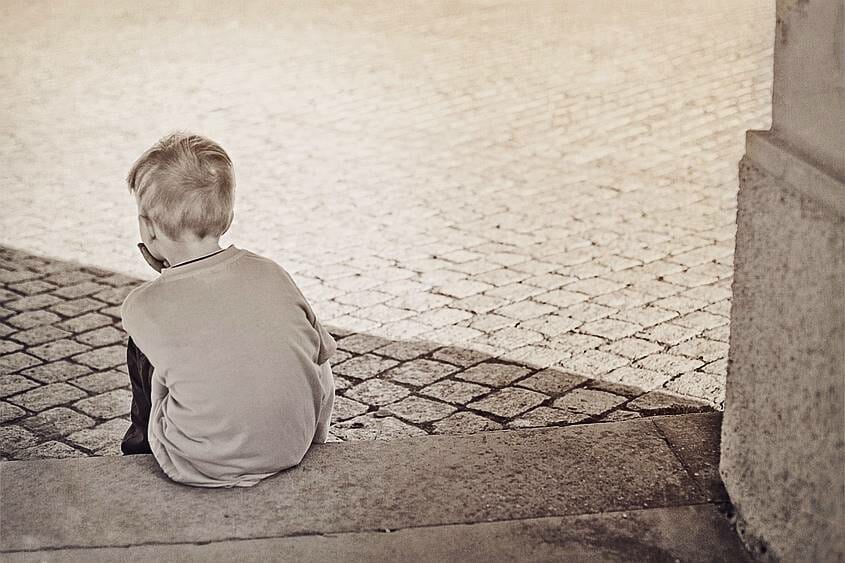
anti-social child sitting alone at playground watching other children play

Parents come to me and say “I have an anti-social child”.

Most parents understand something very important about life: children with good social skills tend to be happier and more successful.

It begins early in childhood. The children who learn how to connect, communicate, and build friendships often grow into adults who find relationships easier, handle challenges better, and even live longer.

In fact, researchers have been studying the connection between social skills and well-being for decades. Psychologist Julianne Holt-Lunstad (2010) conducted a large study examining social relationships and health outcomes. She found that people with strong social connections had a 50% higher chance of living longer compared to those who were socially isolated.

That’s huge.

But what happens when you have an anti-social child?

What if your child prefers to stay alone, struggles to connect with others, or avoids social situations altogether?

Before we panic, we need to understand something very important.

Social skills exist on a spectrum.

Read Help Your Anti-Social Child Develop Strong Social Skills »

Published: April 2, 2026 by Ronit Baras
Last modified: April 2, 2026In: Parenting Tags: gender, emotional intelligence, how to, social skills, positive attitude tips, kids / children, behavior / discipline, communication, self confidence / self esteem / self worth, focus, friends / friendship, special education, practical parenting / parents, school

Weak Generation Myth: Why Every Generation Thinks the Next One Is Weaker

weak generation family album

Every generation seems convinced that the next one is weaker. Less resilient. Less committed. Less capable.

And every generation is wrong.

Every generation calls the following one the weak generation.

If you look back honestly, you’ll see the pattern repeating itself again and again. Parents complained about their children. Teachers complained about their students. Elders complained about “kids these days.” Not because the next generation was failing or truly a weak generation — but because the world had changed, and the old tools no longer fit the new reality.

Plato complained that young people had bad manners and no respect for authority. Socrates worried that writing would weaken memory. Parents once feared novels, then radio, then television, then video games, and now screens.

The fear is always the same: “They have it too easy. They won’t cope. They are weaker than we were. They are a weak generation.”

I remember my dad saying it about my generation. Every generation says that because things were simpler in their generation and they believe the younger generation are slack, spoiled, and living an easy life.

Read Weak Generation Myth: Why Every Generation Thinks the Next One Is Weaker »

Published: March 24, 2026 by Ronit Baras
Last modified: March 7, 2026In: Parenting, Kids / Children Tags: kids / children, touch, acceptance / judgment / tolerance, love, behavior / discipline, emotional intelligence, self confidence / self esteem / self worth, personal development / personal growth / personality development / self improvement, choice, practical parenting / parents, beliefs, change, communication, motivation, focus, family matters, vision, attitude, school

How Silence Improves Mental Health and Clarity

Quiet reflection showing how silence improves mental health

We live in a world that rarely pauses. Notifications, conversations, responsibilities, and expectations follow us everywhere. In this constant noise, our mental health is often the first thing to suffer.

What many people don’t realize is that one of the most powerful and accessible tools for emotional wellbeing is silence. Research, psychology, and lived experience all point to the same conclusion: silence improves mental health.

Silence is not emptiness. It is a state where the nervous system can settle, emotions can be processed, and clarity can emerge. When external noise fades, the internal world becomes more visible. This is why silence improves mental health not only by reducing stress, but by increasing self-awareness, emotional regulation, and inner stability.

As the final chapter in The Power of Silence series, this article brings everything together. We explore how silence improves mental health, strengthens emotional intelligence, supports decision-making, and helps us reconnect with ourselves in a sustainable, realistic way.

Read How Silence Improves Mental Health and Clarity »

Published: March 19, 2026 by Ronit Baras
Last modified: March 11, 2026In: Personal Development Tags: focus, stress / pressure, touch, self confidence / self esteem / self worth, responsibility, personal development / personal growth / personality development / self improvement, values, feeling, inspiration, mindfulness, emotional intelligence, how to, happiness, motivation, lifestyle, family matters

Mindfulness for Kids: Teaching Children the Gift of Silence

Child practicing mindfulness for kids during a quiet moment by the window

Silence is one of the greatest gifts we can offer our kids, yet it’s also one of the rarest. In a world full of notifications, background chatter, rushing, and constant stimulation, children rarely have the space to hear their own thoughts — or their own hearts. That’s why mindfulness for kids has become such an important tool.

And at the centre of that mindfulness, sits silence.

Silence is more than the absence of noise. It’s a gentle teacher. It teaches kids to slow down, pay attention, and understand themselves. It builds self-regulation, confidence, emotional maturity, and resilience — skills that stay with them for life.

In the silence series, I covered many aspects of the importance of silence in life. In this chapter, we’ll explore mindfulness for kids, why silence is essential for children’s emotional growth, how to introduce it without force, playful ways to help kids enjoy stillness, and simple quiet rituals you can bring into your home.

Read Mindfulness for Kids: Teaching Children the Gift of Silence »

Published: March 12, 2026 by Ronit Baras
Last modified: March 6, 2026In: Kids / Children Tags: kids / children, focus, stress / pressure, school, behavior / discipline, love, self confidence / self esteem / self worth, skills, health / wellbeing, men, education / learning, emotional intelligence, feeling, practical parenting / parents, how to, motivation, family matters

Narcissism in Children: When Parenting Turns into a Mirror

Narcissism in children - an identity crisis

Narcissism in children rarely starts with arrogance or entitlement. More often, it begins with love—mixed with pressure.

Parents want to do well. They want their children to succeed. They want to feel proud, but when a child’s behavior starts to feel like a personal report card, something quietly shifts. The focus moves away from the child’s emotional world and toward the parent’s self-image. Children feel that shift instantly.

Most parents deeply love their children. They want them to feel confident, capable, and special. But sometimes, love quietly slips into over-praise, control, or emotional absence—and instead of growing self-worth, a child grows something else entirely.

Think of it like this: Self-worth is a strong internal spine. Narcissism is a shiny external costume.

When a child is either placed on a pedestal or left emotionally unseen, they don’t learn who they are, they learn who they’re expected to be. And if they grow up with a narcissistic parent, they often believe this dynamic is normal, even healthy.

This article explores how narcissism in children can develop through everyday parenting dynamics. How it differs from healthy self-esteem, what the research actually says, and—most importantly—how we can break the cycle and start experiencing our child as a separate human being rather than a reflection of yourself.

Read Narcissism in Children: When Parenting Turns into a Mirror »

Published: March 3, 2026 by Ronit Baras
Last modified: March 3, 2026In: Parenting Tags: focus, practical parenting / parents, special education, school, love, emotional intelligence, how to, motivation, family matters, kids / children, behavior / discipline, communication, self confidence / self esteem / self worth

Comfort Zone: How to Overcome the Illusion

Butterfly - it lives because it had the courage to get out of the comfort zone of its cocoon

Life is not easy. From the moment we are born, we cry for every discomfort. As we grow, we keep crying, but we do it in different ways. Complaints, judgment, criticism, expressing frustration, disappointment, or anger are all forms of expressing discomfort.

Because we do it all our life, we think that comfort is the goal in life. We search for easy choices, for comfort, and dedicate all our energy to finding that zone — the comfort zone. However, the comfort zone is an illusion.

Think of the definition of “comfort.” Comfort is a state of physical and emotional ease and freedom from pain or constraint. An ease or alleviation of a person’s feelings of grief or distress.

In simple words: it is a sense of freedom from emotional or physical pain, but the comfort zone is simply an illusion. We can’t grow, we can’t evolve, we can’t progress without pain.

Read Comfort Zone: How to Overcome the Illusion »

Published: February 10, 2026 by Ronit Baras
Last modified: February 12, 2026In: Personal Development Tags: how to, choice, beliefs, change, happiness, motivation, focus, self confidence / self esteem / self worth, men, personal development / personal growth / personality development / self improvement, art, emotional intelligence, meditation

Embrace the Calm: How Silence Affects the Brain

Mother and children in a forest - experiencing how silence affects the brain

Silence is one of those things we often crave but rarely choose. When life fills up with noise, distraction, and constant stimulation, silence feels like a luxury — or worse, a threat. But if we understood silence affects the brain , we would treat quiet moments the way we treat vitamins: essential, nourishing, and non-negotiable.

In families, silence can feel awkward. For parents, silence can feel suspicious (“Why are the kids so quiet?”). Yet in neuroscience, silence is gold. It is the moment the brain pauses, reorganizes, repairs, and rewires. If noise pushes us into survival mode, silence gently leads us back into reflection, awareness, and emotional balance.

Before you think “I don’t have time for silence,” I want to reassure you: even small pockets of quiet change the architecture of the mind, because silence affects the brain directly. You just need to use them effectively.

Read Embrace the Calm: How Silence Affects the Brain »

Published: January 29, 2026 by Ronit Baras
Last modified: January 20, 2026In: Personal Development Tags: emotional intelligence, happiness, self confidence / self esteem / self worth, personal development / personal growth / personality development / self improvement, focus, school, touch, love, men

Why Manipulation in Parenting Isn’t a Swear Word

Manipulation in parenting is not like raising puppets

“He is very manipulative!”

You’ve probably heard this sentence before. Maybe you even used it yourself. It’s usually said with the same tone you’d use for moldy cheese or stepping on LEGO barefoot.

But here’s the thing: manipulation isn’t a bad word.

And before you scream, “Noooo, Ronit, don’t go there!”, stay with me.

In parenting, relationships, workplaces, families — even in our own health — manipulation is everywhere. And it’s not what you think.

Read Why Manipulation in Parenting Isn’t a Swear Word »

Published: January 22, 2026 by Ronit Baras
Last modified: January 23, 2026In: Parenting Tags: family matters, kids / children, teens / teenagers, self confidence / self esteem / self worth, practical parenting / parents, women, drugs, communication, focus, school, how to

Developing Intuition: Your Inner Compass for Better Decisions

Developing intuition: young woman in a spiritual ceremony

Intuition can feel like a fuzzy, mysterious thing — like a whisper you’re not sure you heard or a gentle nudge you can’t quite explain. Many people call it the sixth sense. Others think it doesn’t exist because you can’t see it, touch it, or prove it in a lab.

But intuition is very real. It’s the quiet inner compass that helps us make decisions when logic can’t keep up. It’s the gut feeling that says “yes, this feels right” or “no, something is off,” even when we can’t point to any facts.

Developing intuition is one of the most valuable skills we can strengthen — as parents, as partners, and as individuals trying to navigate life with clarity and confidence.

Read Developing Intuition: Your Inner Compass for Better Decisions »

Published: January 15, 2026 by Ronit Baras
Last modified: January 13, 2026In: Personal Development Tags: self confidence / self esteem / self worth, personal development / personal growth / personality development / self improvement, practical parenting / parents, drugs, focus, vision, early childhood, school, success, emotional intelligence

Fear of Silence Psychology: Why Are Quiet Moments So Scary?

Fear of silence psychology: woman sitting in a quiet moment of reflection

Most people say they want peace. Most people say they want calm. But when real quiet finally arrives—when the TV is off, the phone is face-down, the house is still, the day slows—something strange happens.

Many of us don’t feel peaceful. We feel restless. Uneasy. Pulled to distract ourselves.

Suddenly, the silence that was supposed to comfort us… makes us uncomfortable.

This is where the fear of silence psychology begins. Silence becomes a mirror, and what we see in that mirror is not always easy.

In this second chapter of the Silence benefits for emotional wellbeing, we will explore why silence triggers discomfort, what happens in the brain during quiet moments, how early experiences shape our relationship with silence, and how we can begin to feel safe in the spaces between words.

Read Fear of Silence Psychology: Why Are Quiet Moments So Scary? »

Published: January 13, 2026 by Ronit Baras
Last modified: April 18, 2026In: Health / Wellbeing Tags: communication, personal development / personal growth / personality development / self improvement, focus, mindfulness, love, skills, men, emotional intelligence, happiness, motivation, self confidence / self esteem / self worth, women, health / wellbeing

  • Page 1
  • Page 2
  • Page 3
  • Interim pages omitted …
  • Page 36
  • Go to Next Page »

Get Happiness by Email

Sign up to receive posts by email and get my free mini-course Seven Emails with Seven Secrets for Seven Weeks to boost your personal development


    Books by Ronit Baras

    • What motivates your child? Read Motivating Kids by Ronit Baras Motivating Kids From: $9.95
    • Reflections by Ronit Baras Reflections From: $5.99
    • Be Special Be Yourself for Teenagers by Ronit Baras Be Special, Be Yourself for Teenagers From: $5.99
    • In the Outback with Jasmine Banks by Ronit Baras In the Outback with Jasmine Banks From: $5.99
    • The Will by Ronit Baras The Will From: $5.99

    Be Happy in LIFE logo
    Book your private life coaching with Ronit Baras and learn how to be happy in life

    Girl speaking at student leadership programLeaders are not born. They are made. Bring this Student Leadership Program to your primary school or high school and you will create a community of empowered, inspired student leaders, parents and teachers.

    You’re Reading a Top Parenting Blog

    Feespot Parenting Blogs
    Top 50 Family Blog Award Top 50 Amazing Parenting Blogs 2017

    Related Links

    • Be Happy in LIFE – Life Coaching
    • Personal Growth Web
    • Tsoof Baras – percussionist, composer and producer
    • Noff Baras – Screen Actor & Model

    Primary Sidebar

    Your Cart

    Ready to be happy?

    Happy woman holding a cup in the snow
    Be empowered and set your spirit free!

    Engage Ronit as Your Life Coach »

    Speaker Bookings

    Ronit Baras - Practical Parenting Blogger
    Book Ronit as a Speaker for Your event »

    Join Us on Social Media

    Facebook logo Twitter logo Linkedin logo Pinterest logo RSS feed icon

    Give to Receive

    Kiva - loans that change lives

    Contact Us · Subscribe · Terms of Use / Privacy Statement · Return & Refund Policy · Sitemap

    Copyright © 2026 Be Happy in LIFE · Built and powered by Get Business Online

    Secure HTTPS

    • Home
    • Series
    • About Ronit Baras
    • Books by Ronit Baras
      ▼
      • Motivating Kids
      • Be Special, Be Yourself for Teenagers
      • Reflections
      • In the Outback with Jasmine Banks
      • The Will
      • * Your Cart
      • * Secure Checkout
    • Contact
      ▼
      • Join Us